Good feedback is one of the most valuable and vital aspects of building a strong organisational culture. If you need a list of reasons why, here are some of its
It’s confronting to hear the word NO. But at the same time, what type of NO did you get? There are several different types. With so many variations, you shouldn’t
If you conduct research, you should know two basic types: quantitative research vs. qualitative research. By understanding the similarities and differences between them, as well as their characteristics and methods,
You can’t have a proper conversation about creativity without eventually debating if there’s a useful role for negativity – or more relevant – its companion, criticism. Two recent brainstorms for the
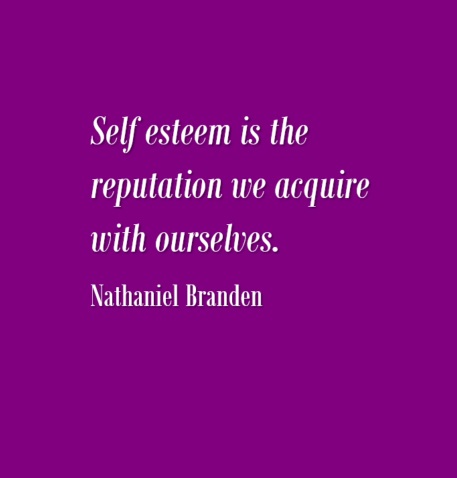
In a recent workshop on Managing People, my group chose to build upon an initial list of five ways a manager could boost self-esteem in their team members. In a few
Listening – to understand, to reply or even to accept – is arguably one of the most difficult skills in communications, and we’re getting worse at it. In 2006, Dr.
Being creative isn’t always about what’s right in front of you. Often, being creative means learning to subdue your common sense while harnessing your subconscious thinking to work more effectively in creating
Brainstorm early and as often as possible is Post #5 in a series from a presentation entitled 11 Great Creative Slip-Ups: The Most Common Mistakes in Brainstorming. The introduction to
The Message House Explanation Download It’s one of the oldest rules in communications, simply known as The Rule of 3s. In 1956, psychologist George Miller at Princeton University concluded from






 By Andy Eklund