It’s news to no one that negotiation can be a stressful activity, to the point that it’s easy to forget some things are not up for negotiation. Of course, there
A critical aspect of authentic negotiation is to understand the fundamental difference between interests versus positions. In every day language, they’re more commonly known as what you want vs. what you need, or even
No one disagrees on the value of generating trust. Less obvious perhaps are the benefits of trust. Here’s a list my students and I have outlined over the years. The
Here’s an embarrassing story, but I hope it helps make my point about being empathetic. Of all the traits and characteristics of Design Thinking, the one most necessary component for
With so many Design Thinking models available to follow, I’m often asked in workshops why I’ve chosen the Double Diamond Design Model from the Design Council and not other more
The word NO is the simplest form of negativity. We’ve heard the word countless times growing up, working in business, dealing with personal issues. Despite how many times we get that
You can’t have a proper conversation about creativity without eventually debating if there’s a useful role for negativity – or more relevant – its companion, criticism. Two recent brainstorms for the
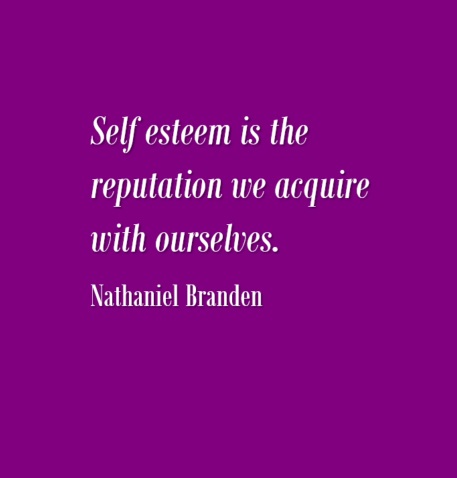
In a recent workshop on Managing People, my group chose to build upon an initial list of five ways a manager could boost self-esteem in their team members. In a few
Here’s how to strengthen your intuition in ten steps. Similar to creativity, intuition is something everyone understands at a basic level because we’ve all felt it. But, when pressed about how to