One tool I use over and over in many different workshops is The Trust Equation. It’s a simple yet clever tool that yields insights into the four aspects that build
While there are many questions to consider at the beginning of a change management program, here are the basic seven that have always helped me get my head sorted, before
In 1964, American management psychologist Harold Leavitt developed the Diamond Model (now commonly known as Leavitt’s Diamond) as a methodology to analyse and understand the effects a change program would
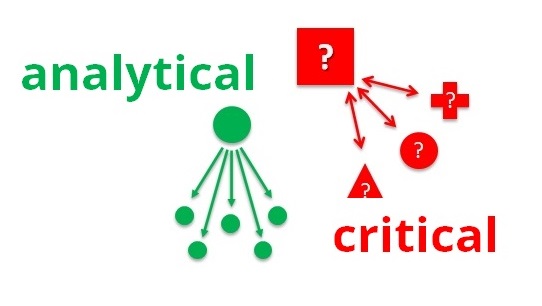
These two important phrases in business are bandied about a lot: Analytical Thinking versus Critical Thinking. Let’s face it. Some business definitions generally are simply head-scratching. For example, can you tell me what’s
If you conduct research, you should know two basic types: quantitative research vs. qualitative research. By understanding the similarities and differences between them, as well as their characteristics and methods,
So many people have asked for my list of Design Thinking vocabulary from my workshops so I’m posting the complete (and growing) list here. If you have other words or
No one disagrees on the value of generating trust. Less obvious perhaps are the benefits of trust. Here’s a list my students and I have outlined over the years. The
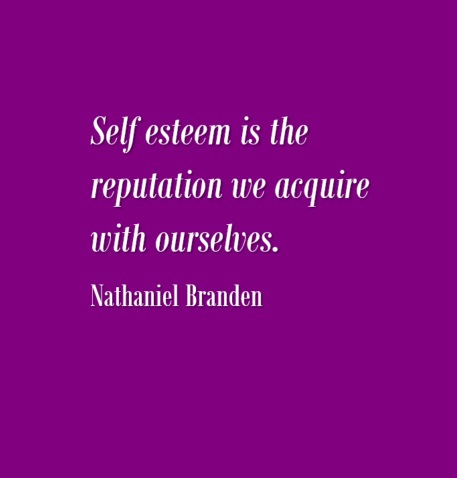
In a recent workshop on Managing People, my group chose to build upon an initial list of five ways a manager could boost self-esteem in their team members. In a few
One of the simplest and most useful tools you’ll come across in business is the Johari Window. Devised by American psychologists Joseph Luft and Harry Ingham in 1955 while researching