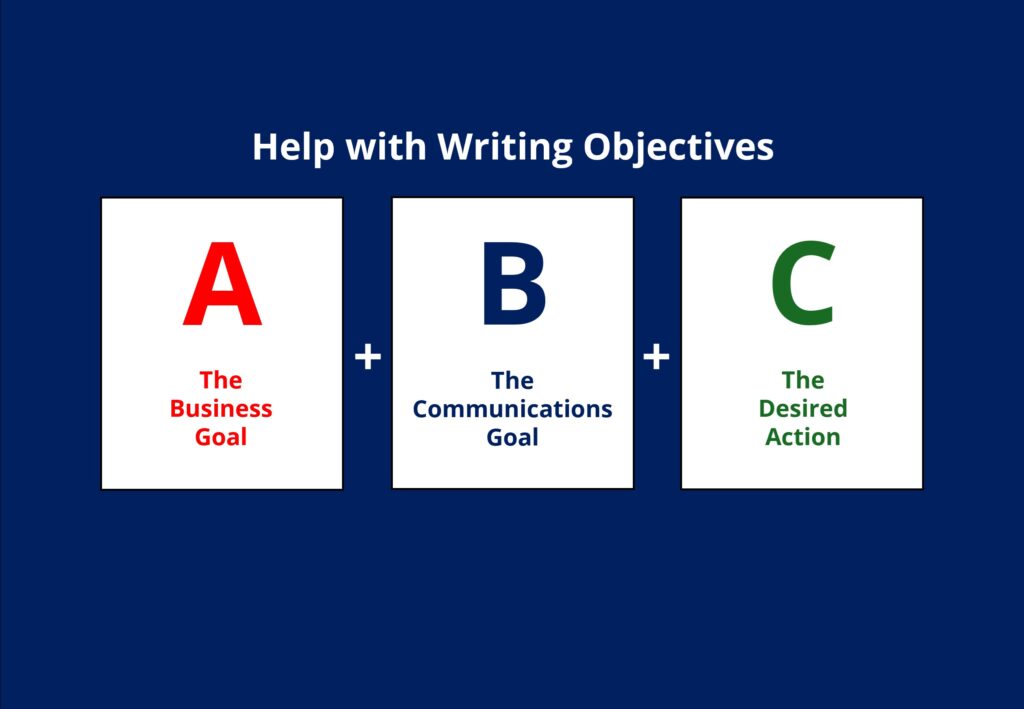
Writing effective goals or objectives is arguably the most important first step in helping an organisation or department be successful. But first, let’s do a quick review. Well-defined goals …
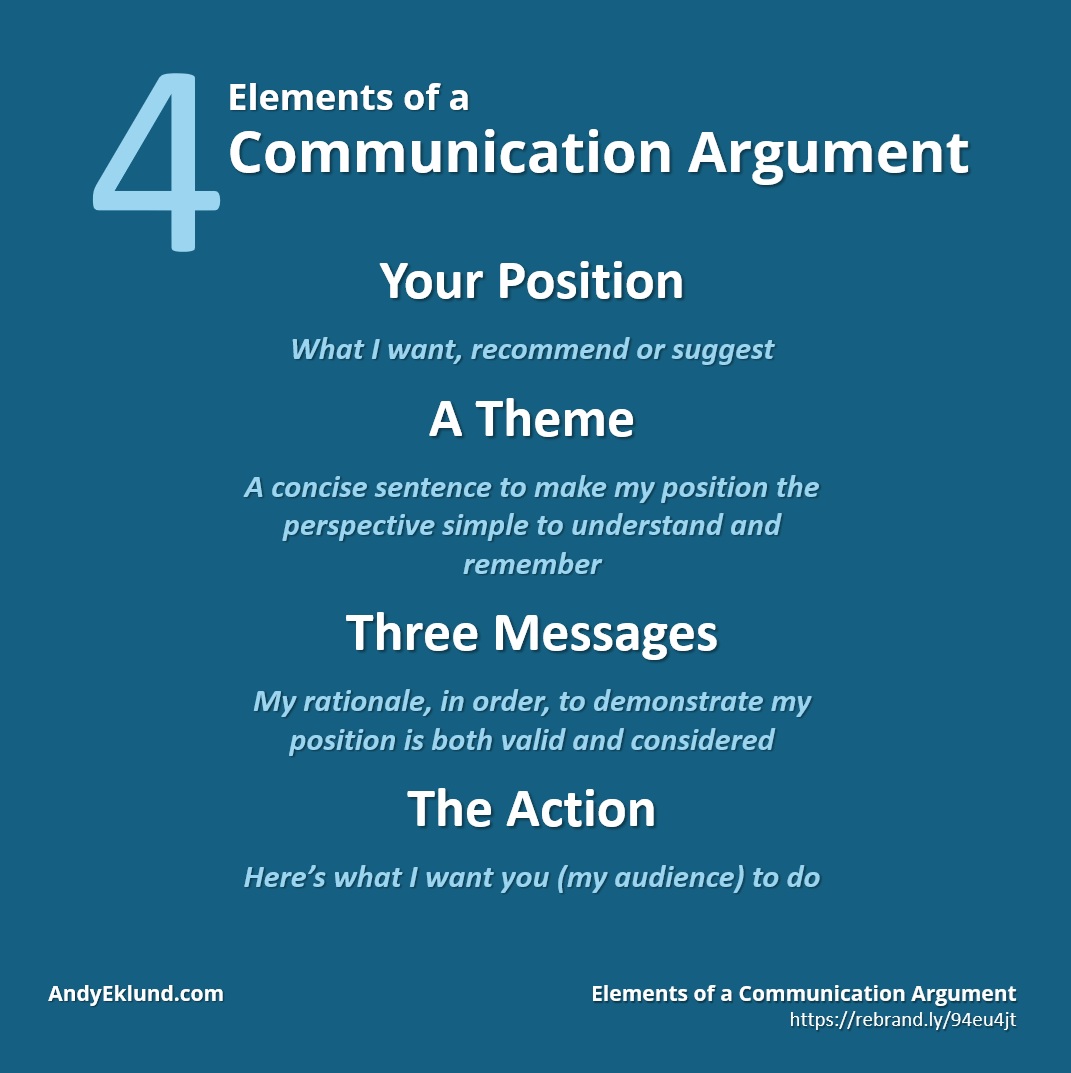
To bring structure to your thoughts when delivering important messages to an important audience, you should consider these basic four elements of a communications ‘argument’. By ‘argument,’ I don’t mean
If you only learn one thing today, make it “Osmo Wiio.” Wiio was a Finnish economics professor, member of the Finnish Parliament, journalist and just for fun, an amateur radio enthusiast.
While watching students read portions of the workbook in class last week, I was struck by how time inefficient they were. Studying the text as if they were memorising the
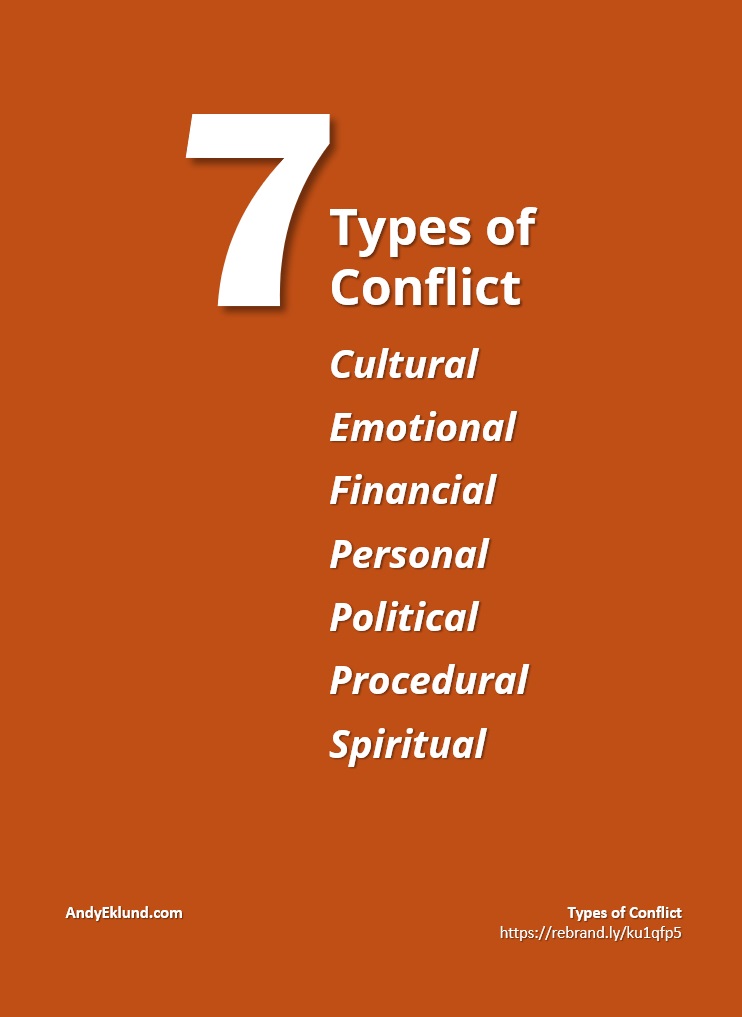
Conflict is one of the most natural – if not daily – aspects of our lives. For many, it’s difficult to recognise, address and solve. But, one way to help
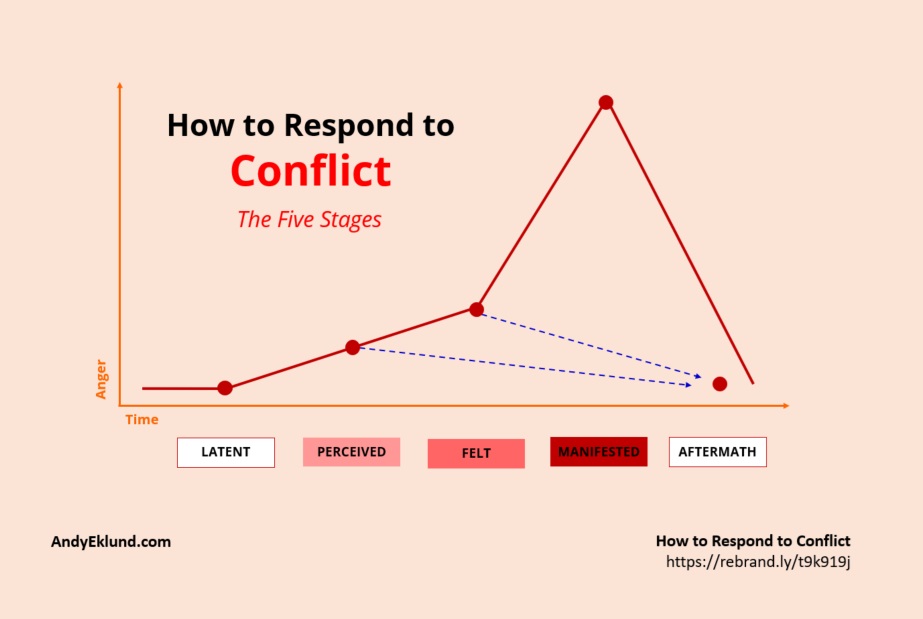
Louis Pondy’s Model of Organisational Conflict is the simplest and most effective formula to understand how to respond to conflict – at work or (despite Pondy’s focus on business) in
This article on Collaborating is one in a series of five about managing conflict and negotiation using the Thomas-Kilmann Conflict Mode Instrument. The introduction to the five-part series begins here. Links
We may not know instantly what attributes make a good communicator, but as the phrase goes, we know it when we see it. In my Advanced Communications workshops, I ask participants
It’s hard to be assertive. It’s even more hard when you have to say NO assertively. NO. Is there a more difficult word in the English language? It’s difficult to